As an Amazon Associate, we earn from qualifying purchases. Some links on this site are affiliate links at no extra cost to you. Our recommendations are based on thorough research and editorial judgment.

Common Hair Dryer Mistakes That Cause Damage

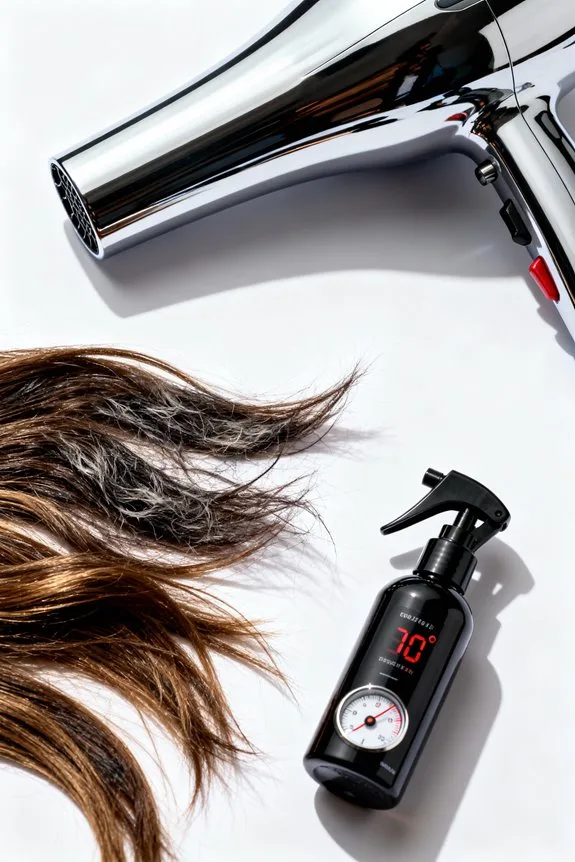
Common hair dryer mistakes include starting on sopping wet hair, which increases heat exposure by up to 50%, skipping heat protectants that shield hair from temperatures exceeding 150°C, and neglecting to section hair for even drying at ideal 60–70°C settings, risking brittleness and cuticle damage. Holding the dryer too close (less than 6 inches) concentrates heat causing frizz, while ignoring regular cleaning reduces airflow and elevates overheating hazards. Explore further for the ultimate blow-drying mastery tips.
Key Takeaways
- Starting to blow-dry hair when it is still soaking wet increases heat exposure and causes brittleness and cuticle damage.
- Skipping heat protectant products exposes hair to extreme temperatures, stripping natural oils and accelerating cuticle damage.
- Holding the blow dryer too close to hair causes excessive moisture loss and cuticle disruption, leading to dullness and frizz.
- Not sectioning hair before drying results in uneven heat exposure, prolonging drying time and increasing damage risk.
- Neglecting regular cleaning leads to product buildup, overheating hazards, and reduced blow dryer performance.
Starting to Blow-Dry Hair When It Is Still Sopping Wet
You may be interested
The ultimate key to achieving show-stopping hair lies in mastering the precise moisture level before blow-drying—starting when hair is still sopping wet, with visible dripping, can extend heat exposure times by up to 50%, considerably increasing brittleness and cuticle damage through rapid evaporation and contraction; instead, gently towel-drying to remove excess water until hair is approximately 80% air-dried guarantees that the blow dryer operates efficiently, dramatically reducing drying time while preserving the hair’s structural integrity and delivering a smoother, shinier finish worthy of any professional salon experience. Blow drying damp—not soaking—hair balances moisture loss and heat exposure, prevents unnecessary hair damage, and leverages the blow dryer’s optimized airflow and temperature control, transforming routine drying into an ultimate hair care ritual that protects and enhances strand liveliness with every use. Many advanced dryers also feature intelligent temperature control that adjusts heat to protect hair from damage during drying.
Recommended Products

The next-level multi-styler for supercharged styling. Better curling. Faster drying. Straighter styles.¹ No heat damage.

Flexible Control: The hood dryer has 2 convenient knob switches with timing function (0-60 minutes) and adjustable temperature (3 heat settings), allowing you to accurately set the time and temperature according to different hairstyles that you need.

LUXURY GIFT SET: Premium ghd Chronos flat iron and Helios hair dryer in elegant cherry red, presented in a luxurious travel-inspired vanity case worth $100.
Skipping the Use of Heat Protectant Products
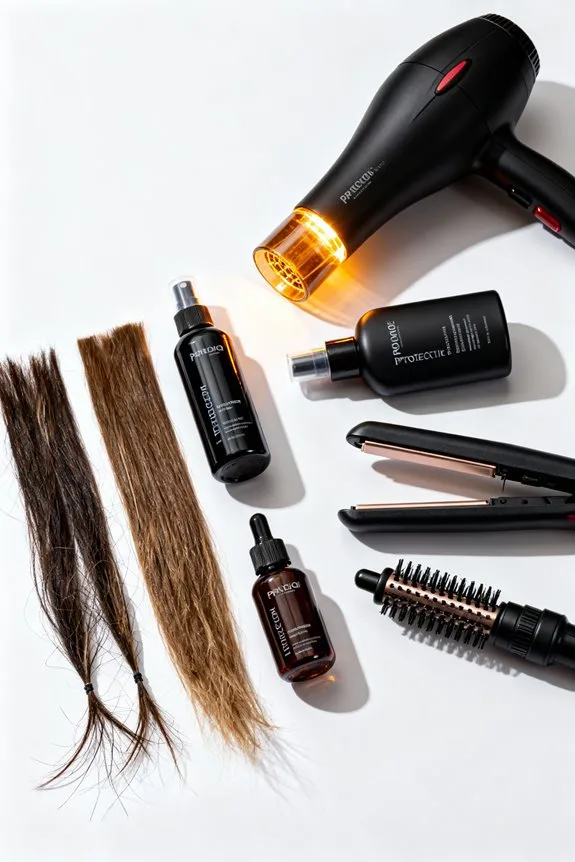
Neglecting heat protectant products before blow-drying instantly exposes hair fibers to extreme temperatures—often exceeding 150°C (302°F)—which rapidly strip natural oils, weaken keratin strands, and accelerate cuticle damage that manifests as split ends and unsightly brittleness; skipping this essential step dramatically increases hair damage, as direct heat from blow dryers penetrates without barrier protection, making brittle hair inevitable. To prevent damage and protect your strands during heat styling, lightweight silicone-free heat protectants offer the ultimate defense for fine textures, while richer, nutrient-infused formulas suit coarse hair, both designed to shield cuticles and maintain moisture balance regardless of heat settings. Regular use not only fortifies hair structure against split ends but also preserves smoothness and promotes show-stopping shine, ensuring styles last longer and remain resilient in daily blow dryer routines. Choosing tools that incorporate ergonomic design helps reduce wrist fatigue during styling, promoting a more comfortable and effective hair care routine.
Recommended Products

SALON GRADE FORMULA: Get silky straight hair in 1/2 the time. Breathe new life into your hair and stop heat damage. Revitalize shine, prevent frizz, eliminate kink and color-safe protection. Formulated to blend hair extensions to existing hair


Not Drying Hair in Sections
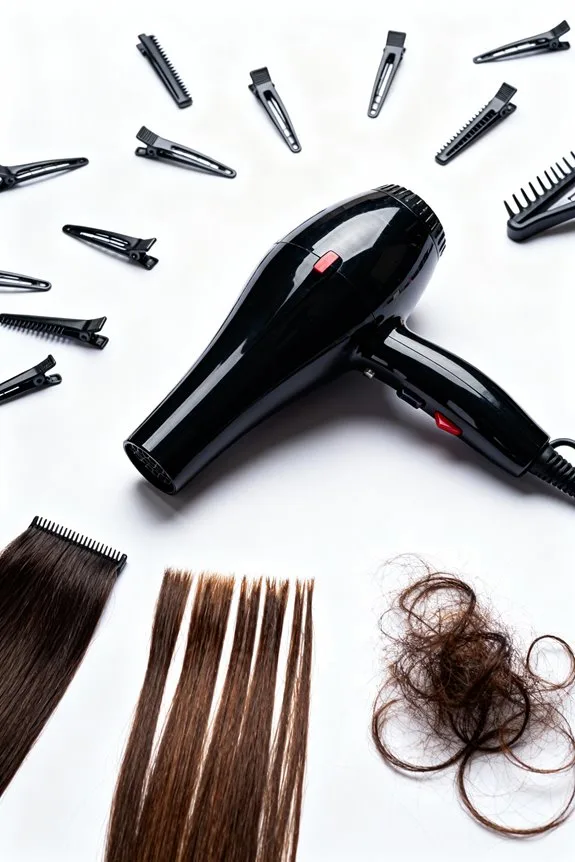
When hair is dried without sectioning, uneven moisture redistribution and prolonged heat exposure to certain strands escalate brittleness and breakage risks, yet employing adjustable silicone-coated clips to divide hair into 2-inch segments enhances airflow control and guarantees even heat dispersal at optimized 60–70°C (140–158°F) temperatures, considerably accelerating drying time by up to 30% and preserving tensile strength through targeted moisture retention—resulting in flawlessly smooth, show-stopping finishes that maximize shine and reduce styling fatigue during high-intensity blow dryer sessions. Not drying hair in sections often causes uneven results and repeated heat exposure that compromise hair’s integrity, while strategic sectioning hair using hair clips notably boosts drying efficiency and minimizes damage by streamlining the drying process from root to tip with consistent, focused heat application that safeguards against brittleness. Incorporating a professional hair dryer with multiple heat and speed settings can further optimize this process, allowing for personalized control to protect hair health and enhance styling results.
Using the Wrong Heat Settings on the Blow Dryer
Every hair enthusiast knows that selecting the ultimate heat setting on a blow dryer significantly influences moisture retention and strand resilience. Using the wrong heat settings—particularly the highest setting—can trigger excessive moisture loss, resulting in heat damage, increased brittleness, and pronounced breakage, especially in fine hair or color-treated strands. Ideal drying employs medium heat, balancing efficient drying with minimal potential damage across hair types, while the highest setting remains reserved for urgent touch-ups only. Fine hair, especially susceptible to high temperatures, demands lower heat to avoid thinning and dullness over time. Completing the routine with the cooling shot feature seals cuticles, locks in moisture, and promotes show-stopping shine. Experimenting with adjustable settings based on individual hair type guarantees the blow dryer delivers maximum styling power with supreme damage prevention. Many styling tools now feature adjustable heat settings to accommodate different hair textures while minimizing damage.
Recommended Products

𝐓𝐑𝐔𝐒𝐓𝐄𝐃 𝐁𝐘 𝐒𝐀𝐋𝐎𝐍 𝐏𝐑𝐎𝐅𝐄𝐒𝐒𝐈𝐎𝐍𝐀𝐋𝐒: This Pedicure Package combines premium product quality with a robust design tailored for high-volume salons. It was developed and tested in professional salons for licensed experts who demand excellence.

𝐓𝐑𝐔𝐒𝐓𝐄𝐃 𝐁𝐘 𝐒𝐀𝐋𝐎𝐍 𝐏𝐑𝐎𝐅𝐄𝐒𝐒𝐈𝐎𝐍𝐀𝐋𝐒: This hair processor combines premium product quality with a robust design tailored for high-volume salons. It was developed and tested in professional salons for licensed experts who demand excellence.

🌞[Large Capacity 2160Wh/2400W High Output] 23% lighter and smaller than conventional products with the same capacity. It weighs only 21.5 kg and is easy to carry. Plenty of battery capacity for multiple nights of camping or during power outages. You can get through it with just this one! Effective for preparation at home and use by a large number of people in offices and local governments. You can use most electrical appliances with an output of 2000W, including electric blankets, laptops, hair dryers, electric kettles, and microwave ovens.
Holding the Blow Dryer Too Close to Hair
Proper distance between the blow dryer and hair—the ultimate technique to avoid damage—ensures heat is distributed evenly across strands without risk of overexposure; maintaining a gap of 6 to 8 inches prevents excessive moisture loss and cuticle disruption, reduces frizz and dullness, while continuous movement during styling promotes a show-stopping, smooth finish that preserves strand integrity and scalp comfort throughout the drying process. Holding the dryer too close, typically under 6 inches, leads to excessive heat exposure and prolonged direct heat, causing hair damage marked by frizz, a dull appearance, and even scalp burns. Adhering to even heat distribution enables healthier drying, mitigating concentrated damage and fostering a smoother finish, ensuring ideal styling results that balance protection and performance for visibly vibrant hair. Using tools made from durable materials that resist heat damage further protects hair during styling.
Using the Wrong Type of Brush While Blow-Drying
Selecting the ultimate brush—typically a round brush with a barrel diameter tailored between 1 to 2 inches to match hair density and length—transforms blow-drying into a show-stopping styling experience by delivering consistent tension, promoting root lift, and smoothing cuticles with ceramic or boar bristle materials that enhance heat distribution and minimize frizz or damage, whereas flat brushes, lacking volume enhancement and proper airflow channels, often lead to increased breakage and dullness, making brush choice critical for achieving vibrant, resilient hair with professional-level shine and bounce. Using the wrong brush during blow-drying impedes effective drying by failing to accommodate specific hair types, causing uneven heat distribution, amplified hair breakage, and stubborn frizz. Emphasizing correct brush size and materials guarantees smoother airflow, superior styling control, and reduced damage, proving that superior round brushes are essential for every blow-drying routine. Additionally, maintaining tools with anti-tip triangular bases can enhance stability and safety during styling, minimizing accidental falls or damage to both brush and hair.
Recommended Products

This set ncludes six round brushes with ceramic-coated barrels in the following diameters: 0.51 in, 0.71 in, 0.94 in, 1.18 in, 1.42 in, and 1.65 in. Designed for professional stylists, this all-in-one set covers every blow-drying and styling need—from very short hair to extra-long and voluminous styles.
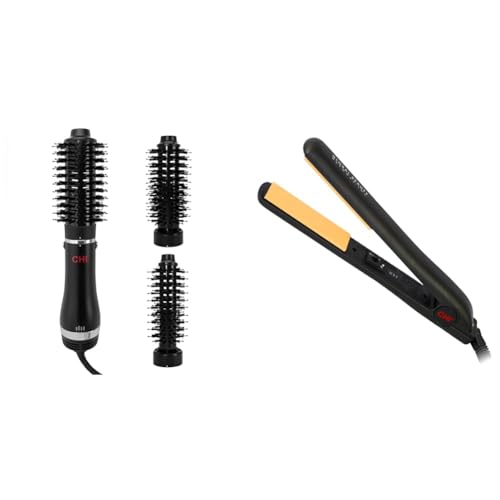
Product 1: Ceramic technology combined with Ion technology provide unparalleled shine and reduce heat damage by preserving natural hair moisture.

Neglecting to Clean the Blow Dryer Regularly
Numerous blow dryers lose peak efficiency when dust and product residue accumulate within air filters and vents, restricting airflow by up to 30%, prolonging drying times, increasing motor strain, and heightening overheating risks that can permanently damage the device—while routine cleaning virtually eliminates buildup, maximizes heat output, guarantees consistent airflow, and safeguards both appliance longevity and hair health by preventing contaminants from redepositing onto strands during styling, resulting in the supreme combination of reliability and performance for every blow-drying session. Neglecting to clean a blow dryer regularly invites product buildup and dust accumulation that not only degrade performance but also escalate overheating hazards and potential damage. Through diligent routine maintenance, users preserve optimal function, extend appliance life, reduce malfunctions, and maintain maximum styling precision that delivers consistently show-stopping results. Additionally, keeping diffusers clean ensures even heat distribution, which is essential for enhancing curl definition and reducing frizz.
Recommended Products

✅ 1000g MaP Flush Performance: With a powerful 1000g MaP flush score and a built-in tank, it ensures strong, reliable flushing that clears waste effectively while conserving water. Newly upgraded power-off flush lets you flush using the side button during outages.

The bathroom all-rounder: the bathroom cabinet as a flush-mounted model offers storage space for all toilet utensils, without taking up space in the bathroom and is particularly easy to install.

Invisible storage space: the bathroom cabinet as a flush-mounted model offers practical storage space without taking up space in the bathroom and impresses with 3 functional compartments.
Frequently Asked Questions
What Hair Dryer Causes the Least Amount of Damage?
The hair dryer causing the least damage combines ionic technology, ceramic materials, and tourmaline benefits with adjustable heat settings. A lightweight design, diffuser attachment, cool shot, professional quality, low noise level, and energy efficiency further protect hair health.
What Is a Hazard That May Arise When Using a Hair Dryer?
Like a sun too near, heat exposure threatens a fragile forest of strands. Inadequate distance, moisture retention, and improper techniques elevate overheating risks, demanding safety precautions and product compatibility awareness tailored to hair type to prevent health concerns and equipment malfunction.
How to Use a Hair Dryer Without Damaging Your Hair?
To prevent damage, one should apply heat protection products, use proper drying techniques with temperature control, maintain ideal distance, adjust airflow settings, limit drying time, utilize nozzle usage, retain moisture, and tailor methods according to hair types.
How Often Can I Blowdry My Hair Without Damaging It?
Blowdry frequency is like sunlight—moderate exposure nurtures hair health, but excess risks damage. Tailoring drying techniques and heat protection to hair types, ensuring moisture retention, while following professional advice and blowout tips, optimizes daily routines and damage prevention.