As an Amazon Associate, we earn from qualifying purchases. Some links on this site are affiliate links at no extra cost to you. Our recommendations are based on thorough research and editorial judgment.

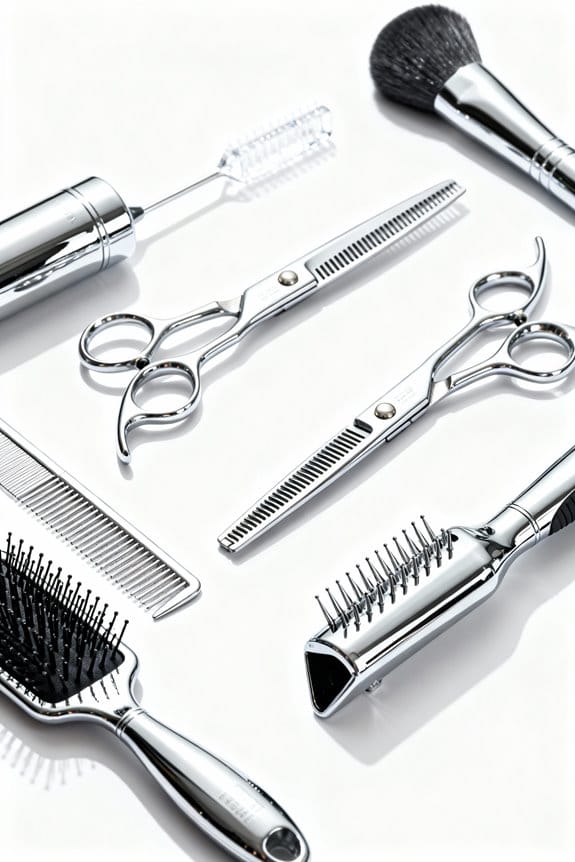
Hygiene Practices for Reusable Salon Tools at Home

Ultimate hygiene for reusable salon tools at home demands thorough rinsing in warm, soapy water at 40°C, followed by submersion in EPA-registered disinfectants with a 99.9% pathogen kill rate within 5–10 minutes, precise drying to prevent microbial growth, and airtight storage under 50% humidity to maintain tool integrity—especially vital for stainless steel clippers and corrosion-resistant files. Immediate cleaning post-use and disposal of single-use items guarantee show-stopping safety, with detailed guidance available for mastering these indispensable practices.
Key Takeaways
- Rinse reusable salon tools in warm, soapy water to remove visible debris before disinfecting.
- Submerge tools in an EPA-registered disinfectant for 5 to 10 minutes to eliminate 99.9% of pathogens.
- Thoroughly dry tools and store them in clean, airtight, humidity-controlled containers below 50% humidity.
- Discard single-use items immediately after use to prevent cross-contamination and ensure client safety.
- Regularly inspect tools for signs of wear, such as chipped edges or discoloration, and replace them as needed.
Importance of Proper Tool Hygiene
You may be interested

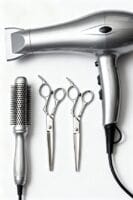
Although often overlooked, proper tool hygiene constitutes the ultimate foundation for any show-stopping salon experience, ensuring nail tools remain free from bacteria, fungi, and viruses that cause infections, while meeting rigorous sanitation regulations. Proper cleaning and disinfection protocols require thoroughly removing visible debris before submerging metal implements in EPA-registered disinfectants with proven 99.9% efficacy against pathogens within 10 minutes, maintaining tool integrity and longevity. Adhering to these practices—combined with precise storage conditions that prevent recontamination—establishes a safe environment that protects clients and enhances salon credibility. Meticulously maintaining logbooks to document hygiene compliance further supports transparency and trust. This disciplined approach transforms reusable nail tools into reliable instruments of flawless, health-conscious beauty services, elevating every manicure into an ultimate, sanitary, and confidently executed show-stopper. Wearing chemical-resistant gloves during cleaning further protects hands from corrosive agents and enhances safety.
Types of Reusable Salon Tools

Reusable salon tools form the ultimate arsenal for delivering show-stopping manicures, with essentials like precision-engineered metal nail clippers crafted from stainless steel alloys for durability, e-file bits designed with multi-grit surfaces that efficiently remove nail enhancements while minimizing heat buildup, and metal nail files featuring corrosion-resistant cores that maintain structural integrity under rigorous cleaning; each tool demands meticulous washing to eliminate organic debris and subsequent immersion in EPA-registered disinfectants that guarantee 99.9% pathogen elimination, ensuring client safety and regulatory compliance while extending tool lifespan and salon credibility. Metal nail files require grit stickers replaced per client, preserving the reusable core, while e-file bits need thorough cleaning to prevent bacterial buildup—essential protocols that uphold impeccable salon hygiene and promote ideal tool longevity in demanding home or professional settings. Selecting tools made with stainless steel enhances durability and simplifies maintenance for long-term use.
Recommended Products

Zwilling sapphire nail file

Seven (7) Ruby Stones / Filing with Ruby Stone feels good and is kinder to nails than other types of files. Compare the smooth action of Ruby Stone with the unpleasant grating of ordinary emery boards and metal files.

Complete Manicure Set for Ultimate Care: Our manicure tools and UV LED lamp set includes everything needed for a full manicure experience. Get everything you need for both basic and advanced nail care, ensuring a neat, professional finish every time.
Cleaning Procedures for Salon Tools

Mastering the ultimate cleaning procedures for salon tools begins with a thorough rinse in warm, soapy water designed to dislodge minute organic debris and microscopic contaminants, setting the stage for subsequent immersion in EPA-registered disinfectant solutions that mandate a minimum 99.9% pathogen eradication rate and precisely timed exposure—usually ranging between 5 to 10 minutes—to guarantee every surface, from corrosion-resistant stainless steel to multi-grit abrasive e-file bits, achieves complete sanitization without compromising structural integrity, hence ensuring not only client safety and regulatory compliance but also extending the cutting-edge performance and lifespan of each show-stopping tool. After disinfection, tools must be rinsed with clean water to remove any irritating residue, then dried thoroughly on disinfected surfaces to prevent microbial growth, hence emphasizing why cleaning procedures for salon tools must be followed meticulously to keep reusable equipment disinfected properly. Investing in kits with antimicrobial stainless steel tools featuring silver ion coatings offers additional protection by reducing bacteria and enhancing long-term hygiene.
Recommended Products
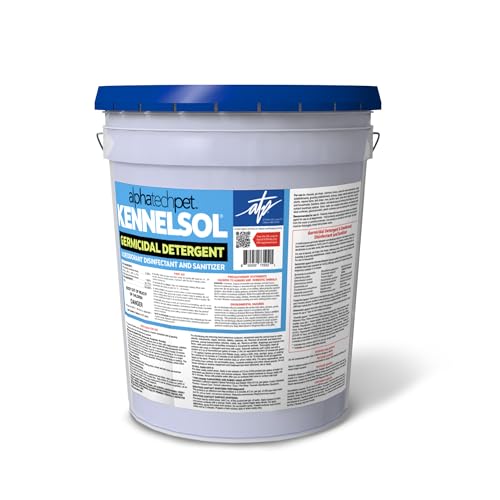
Powerful 3-in-1 cleaning solution – KennelSol simplifies your cleaning routine by combining cleaning, disinfecting, and deodorizing in one easy step. Kills viruses, bacteria, and fungi, leaving a fresh, wintergreen scent with no rinsing necessary.

𝗛𝗬𝗣𝗢𝗖𝗛𝗟𝗢𝗥𝗢𝗨𝗦 𝗔𝗖𝗜𝗗 (𝗛𝗢𝗖𝗹) 𝗦𝗣𝗥𝗔𝗬 - 𝗭𝗘𝗥𝗢 𝗛𝗔𝗥𝗠𝗙𝗨𝗟 𝗖𝗛𝗘𝗠𝗜𝗖𝗔𝗟𝗦: Uses electricity to convert tap water plus a small Activator Capsule of salt, water & vinegar into hypochlorous acid through electrolysis - the same HOCl technology trusted in hospitals. Generates a powerful multi-purpose cleaner, disinfectant & deodorizer with no toxic chemicals, fumes, or residues. Makes 32oz in 7 min or 64oz in 14 min.
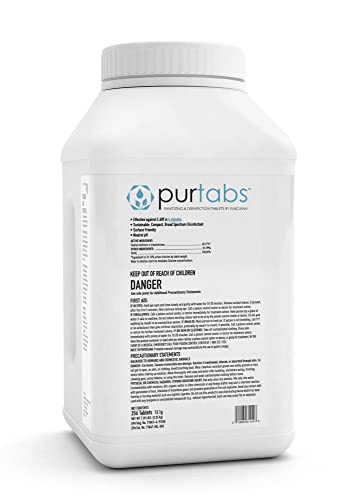
EPA Registered Disinfectant & Sanitizer: PurTabs destroy 99.9% of viruses and bacteria, including tough pathogens, providing powerful sanitation for food service, healthcare, and home environments
Disinfecting Reusable Tools Safely
Guaranteeing the ultimate safety and performance of salon tools begins with meticulously disinfecting each piece after removing visible debris using warm, soapy water to break down organic matter, followed by submersion in EPA-registered disinfectants that boast a powerful 99.9% pathogen kill rate and require precisely timed soaking—typically 5 to 10 minutes—to obliterate bacteria, viruses, and fungi without compromising durable materials like stainless steel or abrasive e-file bits, then rinsing with clean water to eliminate irritant residues, and finally air drying completely to thwart microbial regrowth; additionally, electrical devices demand specialized disinfectant wipes that cleanse thoroughly while safeguarding sensitive components—delivering not only client protection and regulatory compliance but also sustaining the impeccable, show-stopping quality that defines cutting-edge salon services. Practicing these best practices guarantees disinfecting reusable tools safely and elevates home salon hygiene standards. For sustained hygiene, incorporating continuous mist spray bottles with ultra-fine mist technology can provide even and efficient application of disinfectants on salon tools and workspaces.
Recommended Products

Hospital grade disinfectant kills 99.9% of viruses, bacteria, and fungi on hard, non-porous surfaces

NSF D2 Certified Food Safe Sanitizer: PurTabs are NSF D2 certified for use on food contact surfaces without rinsing, making them the trusted food grade disinfectant for restaurants, commercial kitchens, food processing facilities, and home food prep surfaces.

Powerful Protection - Made in the USA and EPA-registered, Clear Gear protects against bacteria, germs, and odors with a gentle, water-based formula. It contains no harsh chemicals like bleach, alcohol, or ammonia, ensuring low toxicity and no corrosive effects or lingering fumes.
Sterilization Methods for Home Use
Although professional sterilization equipment is often out of reach for home enthusiasts, several highly effective at-home methods—such as soaking metal nail clippers and scissors in 70% isopropyl alcohol for at least 10 minutes to annihilate bacteria and viruses, or boiling tools fully submerged for 10 to 15 minutes to neutralize most pathogens—offer the ultimate balance of safety and convenience; additionally, the introduction of compact UV sterilizers delivers a chemical-free, show-stopping solution that exposes tools to targeted ultraviolet light for about 30 minutes, dramatically reducing microbial loads while preserving material integrity, making these sterilization techniques invaluable for maintaining impeccable hygiene standards and elevating every home salon session. Complemented by thorough drying post-cleaning to prevent mold growth, these sterilization methods optimize the lifespan and safety of reusable salon tools through precise, accessible home use protocols. Moreover, selecting sterilization tools made from breathable, lightweight fabrics can enhance comfort and usability during extended use.
Recommended Products

UV BOTTLE Sanitizer: We've created the only UV LED bottle sanitizer and dryer that comes in a cabinet style, providing triple the usage time and higher power than UVC lights (275nm), without using any mercury or BPA. Use this device for sanitizing everything from baby bottles to phones!

[Black Fluted Finish]: Cabinet doors and drawers feature a stylish vertical wave pattern for a refined, contemporary look. Premium golden metal handles and legs elevate the aesthetic, making it a stylish addition to high-end salons, nail studios, or massage therapy rooms.

✅【UVC Bottle Cleaner and Dryer】High-quality SAMSUNG brand UVC is used. It has a much longer lifespan compared to lamp-type structures and is convenient as it does not need to be replaced. This product provides three times the usage time and higher output than bulb typesIt can be used in a variety of ways, including not only baby bottles but lso the items that are sensitive to water and temperature.
Handling Single-Use Vs Reusable Items
A handful of essential salon tools fall into two distinct categories—single-use and reusable—each demanding specific handling protocols to uphold the ultimate hygiene standards and client safety; single-use items like sanding bands and nail files must be discarded immediately after each session to prevent cross-contamination, offering a show-stopping, no-risk solution that eliminates pathogen transfer, while reusable instruments such as metal nail clippers and e-file bits require meticulous cleaning with warm, soapy water, disinfecting using EPA-registered products, and sterilization techniques like 70% isopropyl alcohol soaking or UV exposure to achieve thorough microbial elimination and extend tool longevity, effectively balancing waste management and unbeatable sanitation. Discarding single-use tools prevents infection spread and maintains flawless hygiene, while rigorous care of reusable tools guarantees ultimate safety and durability—perfectly harmonizing effectiveness with eco-consciousness. For example, properly maintaining a clip catcher on reusable tools significantly reduces the risk of spreading infection by containing nail debris during use.
Storing Disinfected Tools Correctly
After completing the meticulous disinfection and sterilization of reusable salon tools through potent EPA-registered solutions and 70% isopropyl alcohol soaking, storing these immaculate instruments in clean, airtight, and labeled containers becomes the ultimate step for maintaining their show-stopping hygienic state, as precise humidity control below 50% prevents bacterial and mold proliferation while shielding tools from direct sunlight and extreme temperatures that could otherwise compromise their structural integrity and sterilization efficacy, thereby guaranteeing clients receive impeccable, contamination-free service with every appointment. Nail files, often designated for one use, should still be segregated from reusable tools using labeled containers to preserve their intended disposability, ensuring no confusion or risk. Consistent monitoring and replacing worn storage units solidify the long-term safety and pristine condition of all salon essentials. Adhering to certifications & safety standards in storage practices further ensures that all tools remain free from harmful substances and contamination during periods of non-use.
Avoiding Cross-Contamination Risks
When working for the ultimate in salon hygiene, meticulous cleaning and disinfecting of reusable tools immediately after use—starting with the removal of all visible debris and thorough washing in warm, soapy water at approximately 40°C—sets the foundation for eliminating bacteria buildup long before EPA-registered disinfectants perform their show-stopping pathogen eradication during manufacturer-recommended soak times, ensuring zero risk of cross-contamination with every client served. To prevent bacterial transfer effectively, single-use files, which cannot be disinfected, must be employed per client, eliminating any potential contamination. Additionally, metal tools contacting skin require separate bagging and full disinfection to maintain sterile conditions. This stringent, tri-phase process—cleaning, disinfecting, sterilizing—combined with proper tool management, steadfastly protects clients from bacterial hazards, delivering unmatched safety and confidence in every salon service performed at home or professionally. Using durable and easy-to-clean materials for tool storage also helps maintain hygiene standards consistently.
Recognizing Signs of Tool Wear and Damage
Detecting early signs of wear and damage on salon tools—such as visibly chipped edges down to fractions of a millimeter, bent prongs compromising ergonomic precision, or metal discoloration revealing oxidation processes that undermine sterilization efforts—ensures ideal performance and hygiene standards; these indicators, combined with surface scratches that trap debris impervious to standard disinfectants, emphasize the essential need for timely replacement to maintain the ultimate client-safe environment and uphold the show-stopping quality every professional tool promises. In particular, files and buffers wear down unevenly, reducing grit efficiency and hygiene, while cuticle pushers with bent or cracked tips risk skin injury and ineffective cuticle care; additionally, loosened handles or grinding noises during use signal internal damage, all demanding immediate tool assessment to sustain peak functionality and client confidence. Proper care and maintenance routines, including regular cleaning with mild detergents, help preserve tool integrity and prevent bacterial buildup.
Recommended Disinfectants for Home Use
Maintaining the pristine condition of salon tools demands the use of EPA-registered disinfectants engineered to eradicate a wide spectrum of pathogens—including bacteria, viruses, and fungi—through scientifically validated formulas like Lucas-Cide Disinfectant, which boasts a 99.99% kill rate within a 10-minute soak, combines high-level germicidal properties with corrosion inhibitors to protect delicate metal finishes, and requires precise dilution ratios (typically 1:256) to optimize effectiveness while guaranteeing user safety—establishing the ultimate defense against microbial contaminants without compromising tool integrity or longevity. For home nail business operators, selecting such proven disinfectants guarantees tools remain not only show stopping in appearance but reliably sanitized. Proper use involves thorough pre-cleaning, exact dilution, adherence to soaking times, and storing in dry, clean conditions to prevent recontamination—preserving both hygiene excellence and tool durability for a flourishing nail business. Additionally, employing clear acrylic organizers can help maintain tools in an organized, dust-free environment, further supporting hygiene best practices.
Recommended Products

EFFECTIVE: Kills viruses (99.9999%) in 60 seconds in one step; drug resistant germs and fungi. It is on EPA’s list N. Prevents growth of damaging mold and mildew. Eliminates odors and allergens.

An effective mildewcide fungicide and bactericide it inhibits the spread of fungi and odor-causing bacteria
![PUREROX disinfectant [2x32oz, 3xgallon] Eliminate 99.99% viruses, HIV, norovirus, monkeypox, bacteria and fungi. Hospital Grade. Safe Anywhere. Zero toxic residue. No Rinse. Suitable All Surfaces.](https://m.media-amazon.com/images/I/41b9Bdg+8PL._SL500_.jpg)
EFFECTIVE: Kills viruses (99.9999%) in 60 seconds in one step; drug resistant germs and fungi. It is on EPA’s list N. Prevents growth of damaging mold and mildew. Eliminates odors and allergens.
Maintaining Consistent Hygiene Practices
Ensuring consistent hygiene practices in salons requires diligent routines—tools must be scrubbed immediately after each use with warm, soapy water to eliminate visible debris that fosters bacterial growth, then immersed in EPA-registered disinfectants like Lucas-Cide at a 1:256 dilution for a full 10-minute soak, achieving a 99.99% kill rate against pathogens including bacteria, viruses, and fungi, while corrosion inhibitors protect delicate metals from damage, and thorough drying post-disinfection prevents moisture-related microbial resurgence, thereby delivering ultimate sanitation standards that keep salon tools not only show stopping in appearance but exceptionally safe and durable for repeated client use. Regular cleaning combined with scheduled deep disinfection sessions, supported by meticulous logbook tracking, reinforces accountability, ensuring tools remain pristine and client-ready—because consistent hygiene isn’t just smart, it’s indispensable.
Frequently Asked Questions
How to Sterilize Beauty Tools at Home?
To sterilize beauty tools at home, one should use homemade disinfectants like 70% isopropyl alcohol for effective sanitization, soaking tools thoroughly, rinsing with warm water, and air drying on a clean surface to guarantee safety.
How to Sanitize Salon Equipment?
Nearly 70% of salon infections stem from improper sanitizing methods. Effective sanitation requires EPA-registered disinfectants, thorough soaking, and drying of tools. Equipment safety depends on following these steps and adhering to local regulatory guidelines consistently.
What Is the Proper Procedure for Cleaning and Disinfecting Reusable Items in the Salon?
The proper procedure for cleaning and disinfecting reusable salon items involves adhering to strict cleaning protocols, including thorough washing, EPA-registered disinfectant soaking, rinsing, and air-drying, combined with consistent tool maintenance to guarantee safety and hygiene compliance.
How to Sterilise Nail Tools at Home?
Nail tool sanitization at home involves cleaning tools with warm, soapy water, then applying home sterilization methods such as boiling for 20 minutes or soaking in EPA-registered disinfectants, ensuring complete disinfection before drying and storing properly.