As an Amazon Associate, we earn from qualifying purchases. Some links on this site are affiliate links at no extra cost to you. Our recommendations are based on thorough research and editorial judgment.

Understanding Wattage and Heat Settings on Hair Dryers

Wattage directly influences hair dryers’ airflow and drying speed, with models between 1800 and 2500 watts delivering ultimate power, consistent heat, and ionic or ceramic tech that reduces frizz and protects hair moisture. Fine hair prefers lower heat (140°F–160°F) and wattage (800–1200W), while coarse hair benefits from higher heat (180°F–200°F) and 1900+ watt units for rapid styling without damage when used properly. Exploring wattage and heat settings reveals how to balance performance with hair health for show-stopping results.
Key Takeaways
- Hair dryer wattage ranges from 800 to 2500 watts, affecting airflow strength and drying speed for different hair types.
- Lower wattage (800-1500W) suits fine hair by minimizing heat exposure, while high wattage (1900W+) handles thick or coarse hair efficiently.
- Heat settings vary by hair type: low heat (140°F-160°F) for fine, mid (160°F-180°F) for normal, and high (180°F-200°F) for coarse hair.
- Advanced features like ionic and ceramic technologies improve heat distribution, reduce frizz, and promote healthier drying.
- Adjustable temperature controls, cool shot buttons, and heat protectant use minimize damage despite high heat application.
How Wattage Affects Hair Dryer Performance
You may be interested
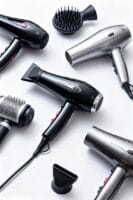
Every hair dryer’s wattage rating reveals a distinct level of performance, with ultimate powerhouses ranging from 1800 to 2500 watts delivering show-stopping airflow and rapid drying speeds that cut styling time dramatically—particularly essential for those managing thick or long hair that demands robust heat and force. High-wattage hair dryers, especially professional hair dryers exceeding 2000 watts, offer superior drying times by producing stronger airflow and more consistent heat, optimizing hair dryer performance. Conversely, lower wattage dryers (800-1500 watts) better protect fine hair by reducing heat exposure and minimizing heat damage risks. Combining wattage with adjustable heat settings allows users to tailor drying intensity, balancing efficiency with hair health—making advanced hair dryers indispensable tools for achieving salon-quality results while preserving hair integrity across diverse hair textures. Many professional models also incorporate ionic and ceramic technologies to reduce frizz and distribute heat evenly, enhancing the overall drying experience.
Choosing the Right Heat Settings for Your Hair Type
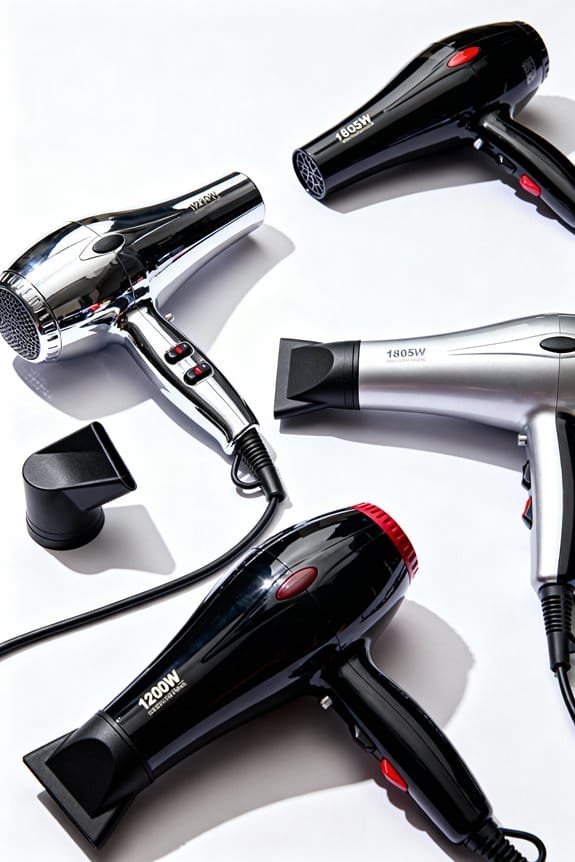
Selecting the appropriate heat setting to match specific hair types elevates the hair dryer from a simple tool to the ultimate styling companion—offering finely tuned temperature ranges that optimize drying speed while preserving hair integrity. Fine hair thrives on lower heat settings between 140°F to 160°F, reducing the risk of damage by managing wattage and airflow delicately. Medium heat settings, from 160°F to 180°F, cater perfectly to normal hair types, balancing drying efficiency and damage prevention during styling. Coarse hair demands higher heat around 180°F to 200°F, leveraging increased wattage and robust airflow for effective drying. Additionally, the cool shot button locks in styles and enhances shine across all hair types, delivering show-stopping results while ensuring long-term hair health with precise heat control tailored to each unique texture. Incorporating tools with power-efficient motors can further protect hair by reducing excessive heat exposure during styling.
Recommended Products

【120V/240V Split Phase & 12kW Massive Power】: This WattCycle all-in-one hybrid inverter supports both Single Phase and Split Phase dual modes, making it fully compatible with all household appliances in RVs and homes. With a 12kW rated power output, it provides robust energy to run multiple heavy-duty devices simultaneously, ensuring your off-grid life never misses a beat.

all-in-one solution: functions as a true sine wave inverter with a built-in lithium ion 100 amp (2000w model) / 150 amp (3000w model) battery charger, and transfer switch. this solution can run heavier loads and charge batteries faster than the freedom xc. can be used in rvs, boats, class 8 trucks, work trucks, and other specialty vehicles that need to run heavier power loads. the 3000w model features a 50a transfer relay
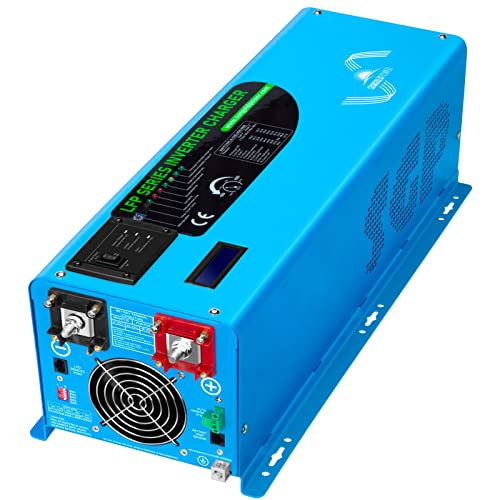
【SunGoldPower Pure Sine Wave Inverter】4000W DC 24 Volt Inverter charger, 12000W Surge for 20 seconds, is a combination of an inverter, 50A battery charger and AC Auto-transfer switch into one complete system with a peak conversion efficiency of 88%. It’s easy to power your daily home electrical appliances or RV, camper, trailer, boat and so on.
Advantages and Disadvantages of Different Wattage Levels
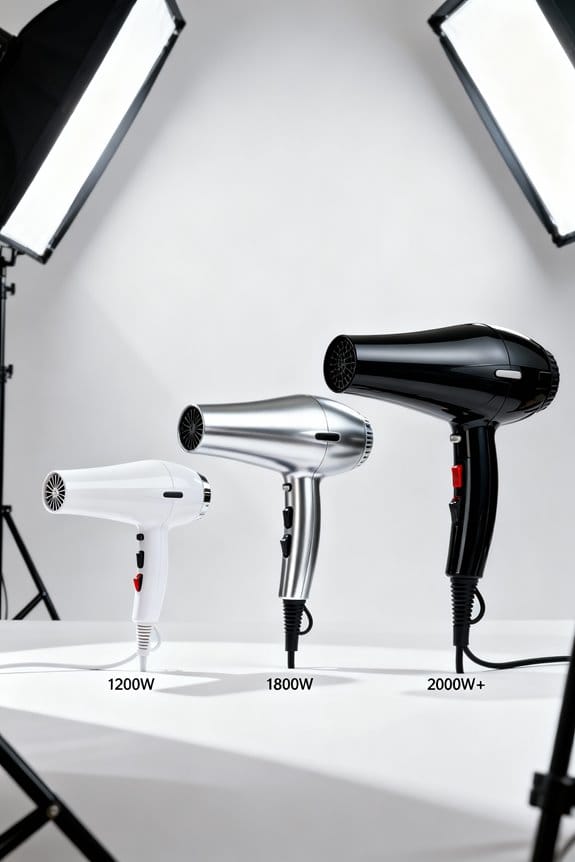
While wattage levels might seem like a technical detail, understanding the range from 800 to 2500 watts reveals the ultimate drying performance tailored specifically to hair types—low-wattage dryers between 800 and 1200 watts deliver gentle airflow ideal for fine hair, reducing heat damage risk with controlled temperature output, mid-range models from 1300 to 1800 watts strike a perfect balance of drying speed and protection suitable for normal hair textures, and high-wattage options exceeding 1900 watts provide powerful airflow for rapid drying on thick or coarse hair, though with a cautionary note that excessive use requires mindful heat management to avoid moisture loss and brittleness, making these machines show-stopping tools when precision controls are properly leveraged. The main advantage is reduced drying time through increased power, while disadvantages include potential damage without careful heat settings, especially for delicate hair types. Incorporating negative ion output further enhances hair health by reducing frizz and promoting shine during the drying process.
Minimizing Hair Damage When Using High Heat
Heat management stands as the ultimate guard against hair brittleness, breakage, and split ends when wielding high-wattage dryers—equipped with precise adjustable temperature controls, they empower users to harness medium heat settings that expertly maintain hair’s natural moisture and shine, while integrated distance recommendations of 6 to 8 inches guarantee minimal direct heat contact with strands, preserving integrity and reducing the likelihood of overheating, all enhanced further by the routine application of heat protectants that form a protective barrier against thermal stress, making advanced dryers not only fast but truly show-stopping tools in the quest for flawless, damage-free styling. Additionally, the cool shot button seals styles and reduces frizz, ensuring moisture retention while balancing effective drying with minimized hair damage through controlled, adjustable heat and ideal wattage settings. Models like the Conair Pro Style with its adjustable heat settings provide tailored drying experiences that further minimize damage risks.
Recommended Products

Ultra-powerful Capacity. DELTA Pro has a large 3600Wh battery capacity with 3600W AC output and total 15 outlets, which make it a strong home backup. With x-boost technology, it can power domestic appliances up to 4500W. Full charged in 1.8 hrs with 240V outlets(3000W), 2.7 hrs with 1800W wall outlets. Remember that the solar generator and the solar panel(s) will be shipped in separate packages.
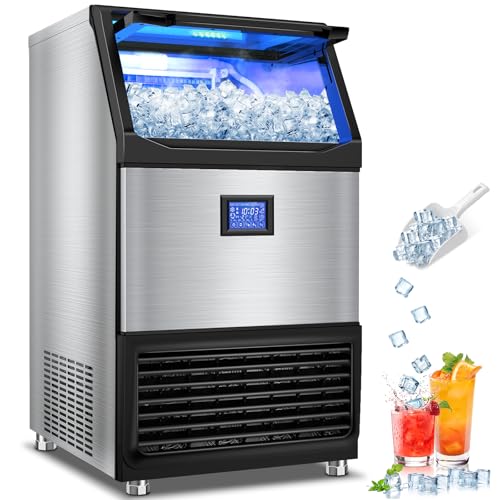
Exceptional Ice-Making Capacity for Demanding Needs. Experience unparalleled ice production with this high-performance commercial ice maker. This ice maker is capable of producing up to 162 crystal-clear ice cubes in just 6–20 minutes and an astonishing 500 lbs of ice within 24 hours, it easily supports over 2,000 beverages daily. The spacious 132 lbs insulated storage bin ensures you always have a generous supply of fresh ice on hand, perfect for bustling restaurants, bars, offices, and large events.

𝐓𝐑𝐔𝐒𝐓𝐄𝐃 𝐁𝐘 𝐒𝐀𝐋𝐎𝐍 𝐏𝐑𝐎𝐅𝐄𝐒𝐒𝐈𝐎𝐍𝐀𝐋𝐒: This hair processor combines premium product quality with a robust design tailored for high-volume salons. It was developed and tested in professional salons for licensed experts who demand excellence.
Energy Consumption and Environmental Considerations
Although higher wattage hair dryers deliver the ultimate power for rapid styling, they typically consume more electricity—about $0.10 per kWh for just 10 minutes of use at 1500 watts—making energy-efficient models a show-stopping choice for savvy consumers aiming to reduce utility costs without sacrificing performance, especially as ionic technology accelerates drying times by emitting charged ions that break down water molecules quickly, while routine filter cleaning enhances airflow, ensuring peak efficiency and extending product lifespan, thereby minimizing environmental impact and electrical waste. The balance of optimized heat settings combined with efficient drying reduces overall power consumption, promotes environmental sustainability, and supports hair dryer maintenance that limits electronic waste. Choosing eco-friendly products demonstrates commitment to a cleaner planet while delivering professional-quality results. Additionally, products with auto shut-off features contribute significantly to energy savings and safety, reducing consumption when devices are left unattended.
Tips for Optimizing Hair Drying With Wattage and Heat Controls
Selecting the ultimate hair dryer with wattage tailored to specific hair types—ranging from 800 to 1200 watts for fine, delicate strands to a robust 1900 to 2500 watts for thick or coarse textures—optimizes drying efficiency and styling speed, while the inclusion of multiple adjustable heat settings enables precise temperature control to maintain hair health, minimize damage by favoring medium heat, and leverage rapid drying without sacrificing shine or texture, especially when combined with innovative features like a cool shot button that locks in styles by delivering an instant blast of cool air, further protecting hair from overheating and enhancing the overall salon-quality finish. Users should also manage airflow by maintaining a safe distance to maximize drying time benefits, ensuring damage prevention and a show-stopping look regardless of hair thickness or type. Choosing a dryer with ionic and ceramic technology further reduces frizz and preserves moisture for healthier, shinier curls.
Recommended Products

Simplified hair dryer. Includes 1 attachment.

Smaller. Lighter. Fastest drying¹. With no heat damage. The precision hair dryer for superior styling.

A new network of Nural sensors within the machine activate intelligent features automatically to optimize your styling routine.
Frequently Asked Questions
What Is a Good Wattage for a Hair Dryer?
A good wattage for a hair dryer is 1300-1800 watts, balancing drying time impact and energy efficiency. High wattage benefits include faster drying, while professional hair dryers emphasize heat control features, durability factors, and quiet operation.
What Does 125 and 250 Mean on a Hair Dryer?
The 125 and 250 on a hair dryer indicate voltage ratings affecting wattage meaning and power comparisons. Voltage impacts hair dryer efficiency, temperature control, energy consumption, and styling preferences, influencing hair drying techniques, hair health, brand differences, and user experiences.
How Hot Does a 1200 Watt Hair Dryer Get?
A 1200 watt hair dryer reaches approximately 130°F to 200°F, balancing temperature control and energy efficiency. Its wattage effects accommodate various hair types, minimizing heat damage, optimizing drying time, preserving hair health, enhancing styling preferences, and ensuring user safety and product lifespan.
Is Air Speed or Wattage More Important for a Hair Dryer?
Airflow control holds greater importance than wattage for drying efficiency and hair health, balancing motor power and heat distribution. User preference, styling options, noise level, energy consumption, and travel suitability also influence ideal hair dryer selection.